
Learn the
tailor’s eye.
Five fittings a day. Look closely, mark the one alteration, then see the garment finished and the reason behind it.
Six details a tailor
will not let go.
A fitting is a conversation about fractions of an inch. These are the places every fitting comes back to, finished the way a good workroom finishes them. By the end of a week you will look at them first.
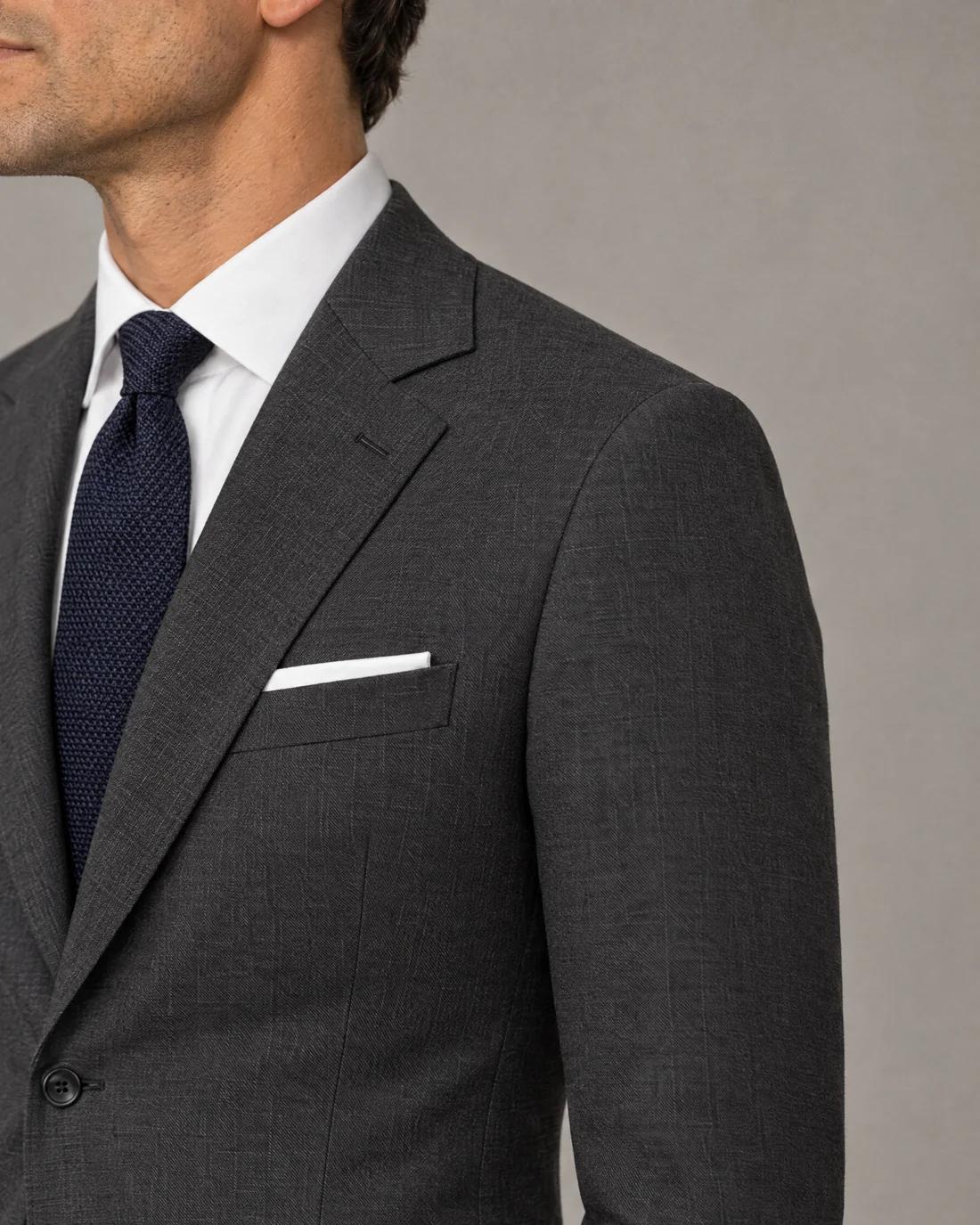
The shoulder
The seam ends on the bone. The sleeve falls clean.
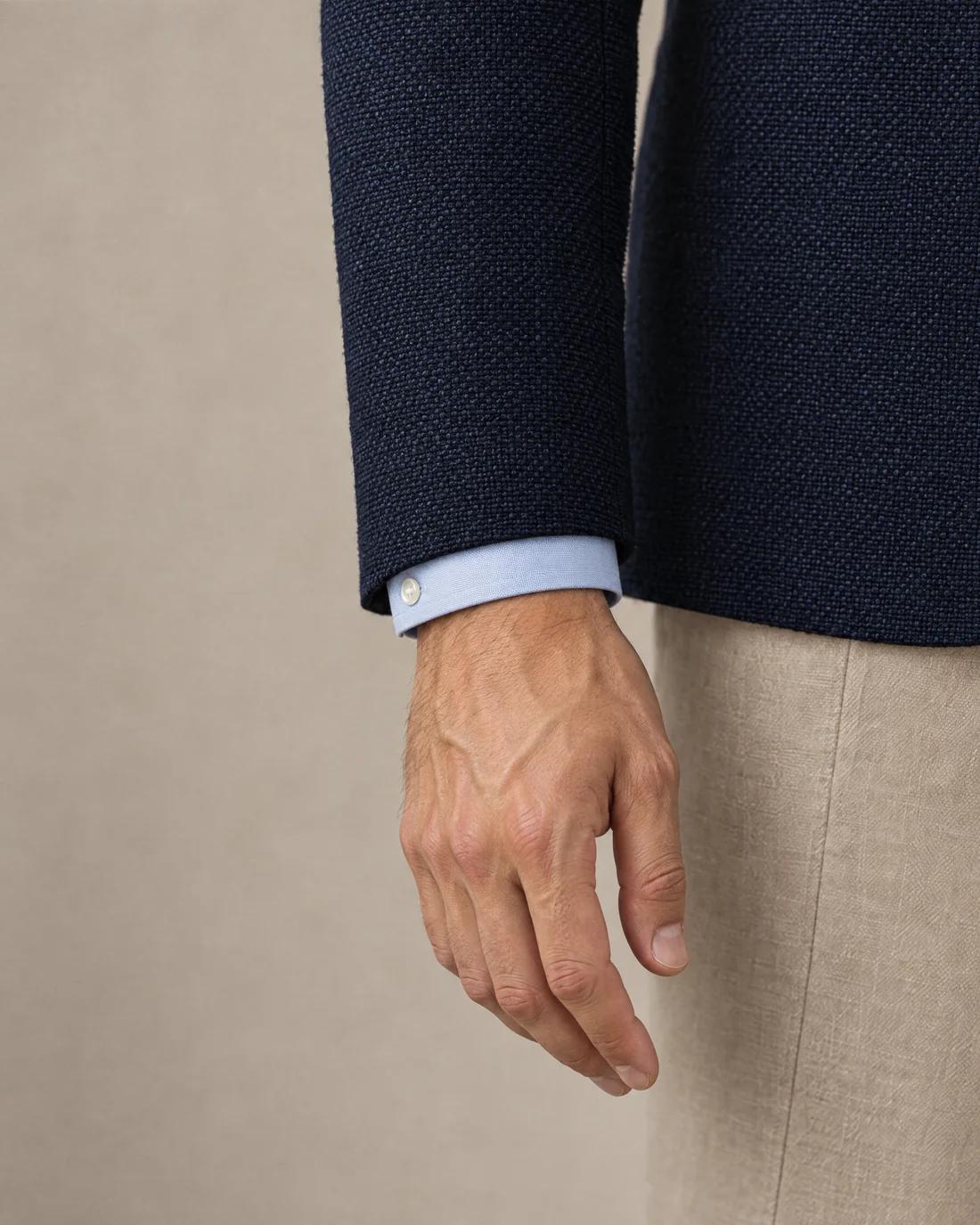
The cuff
The sleeve stops at the wrist bone. A quarter inch of cuff.
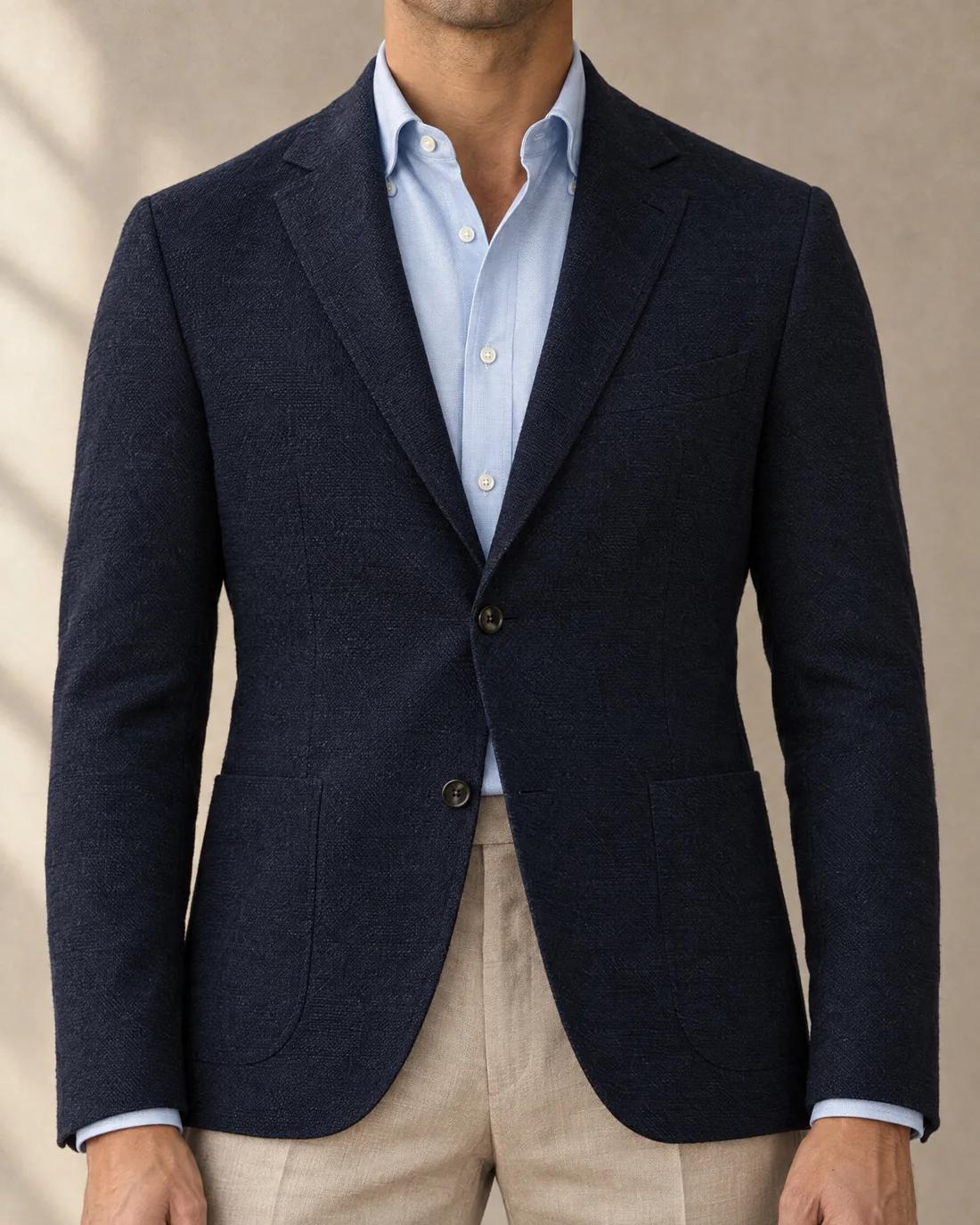
The button
Top button closed. The front lies flat.
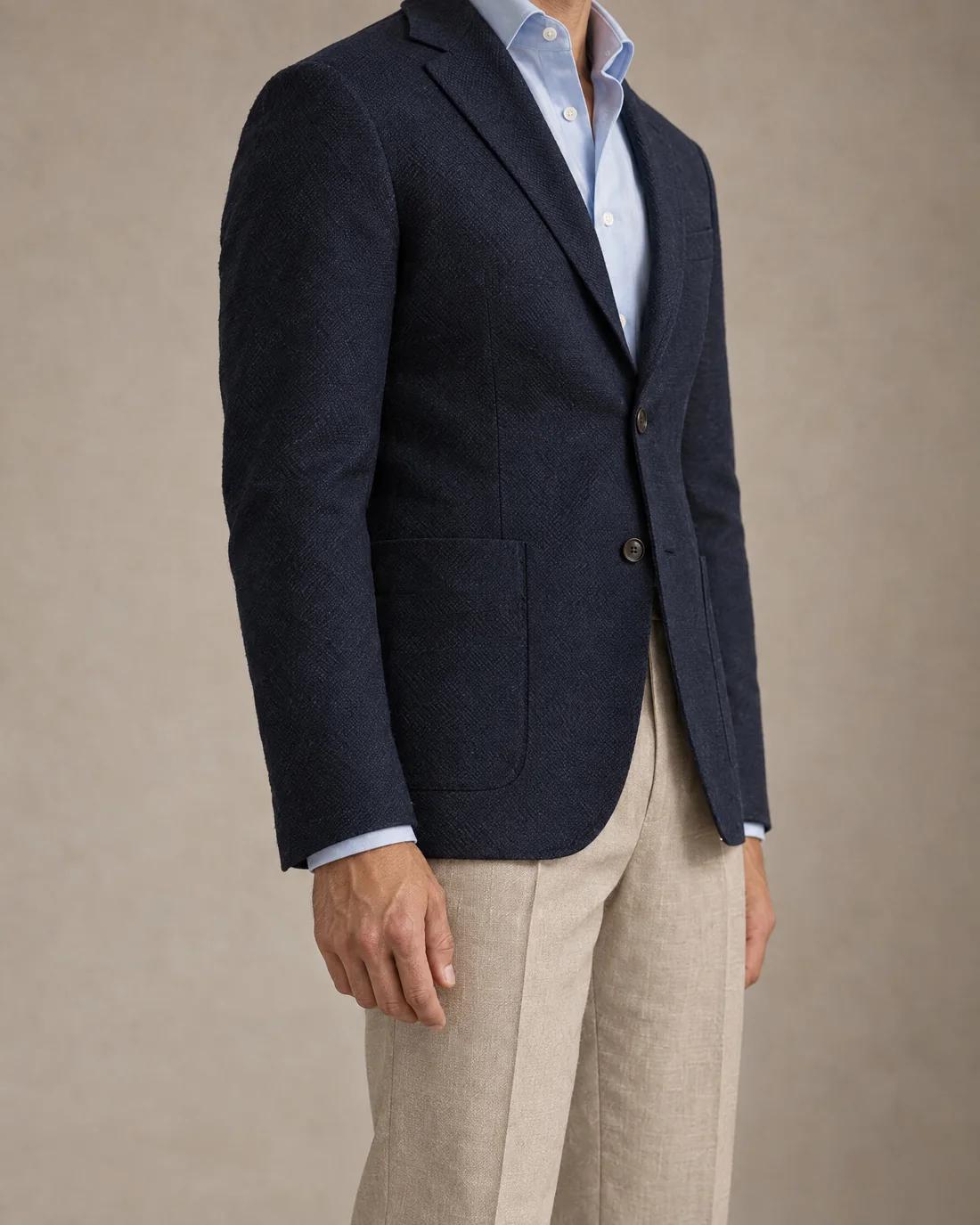
The length
The hem covers the seat and lands at the thumb knuckle.

The tie
The tip of the tie meets the buckle.
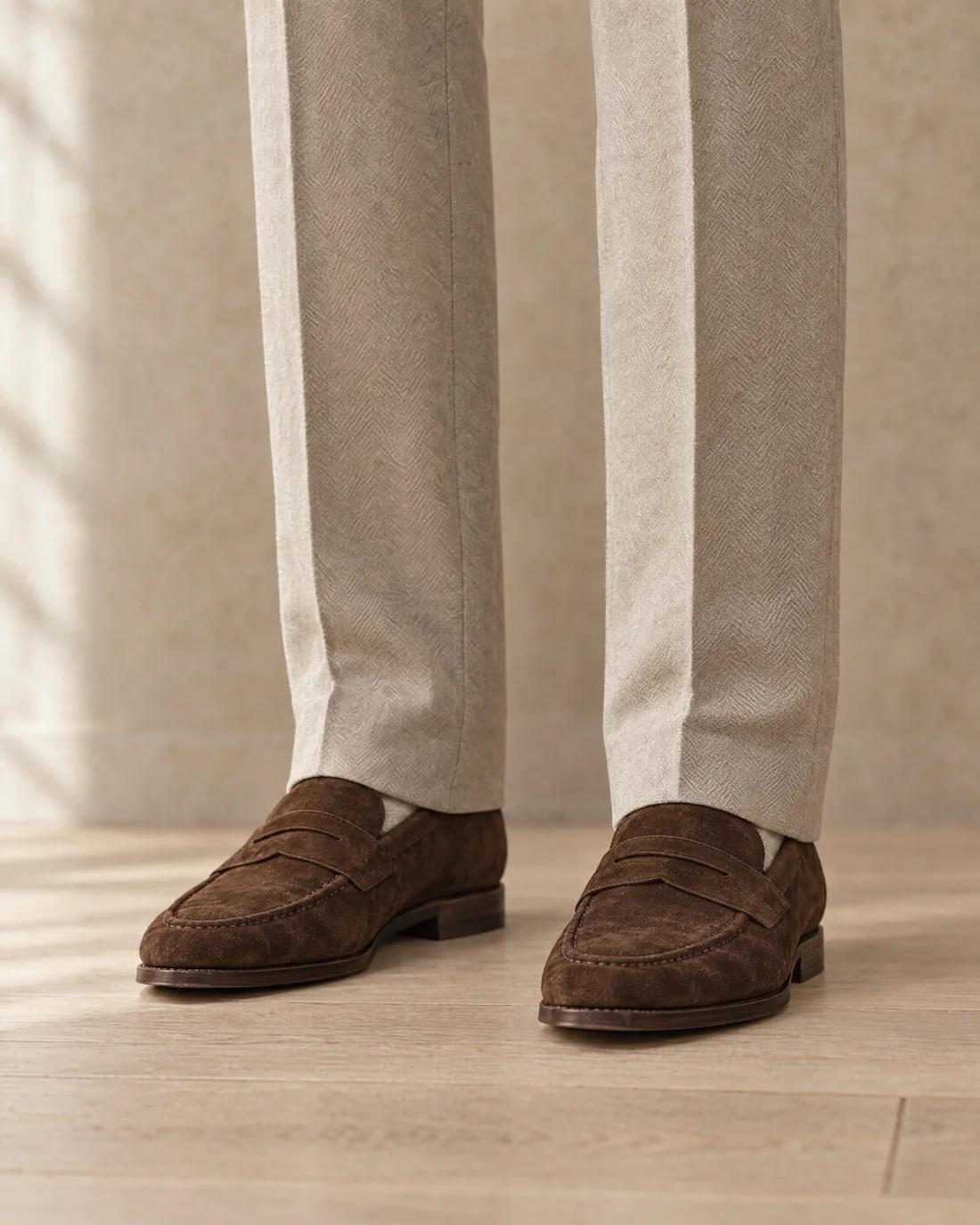
The break
One soft break, resting on the loafer.
One alteration left.
Mark it.
The fittings. Each photograph is a good look one alteration from finished. You do not need the words. Look first; the rule comes after, in one line.
- 01
Look.
Shoulders, collar, sleeves, button, hem, trousers. Zoom in if you want.
- 02
Mark it.
Tap where the chalk goes. Miss, and the tailor shows you the place.
- 03
See it finished.
The rule a cutter gives at a first fitting, and the detail done right.
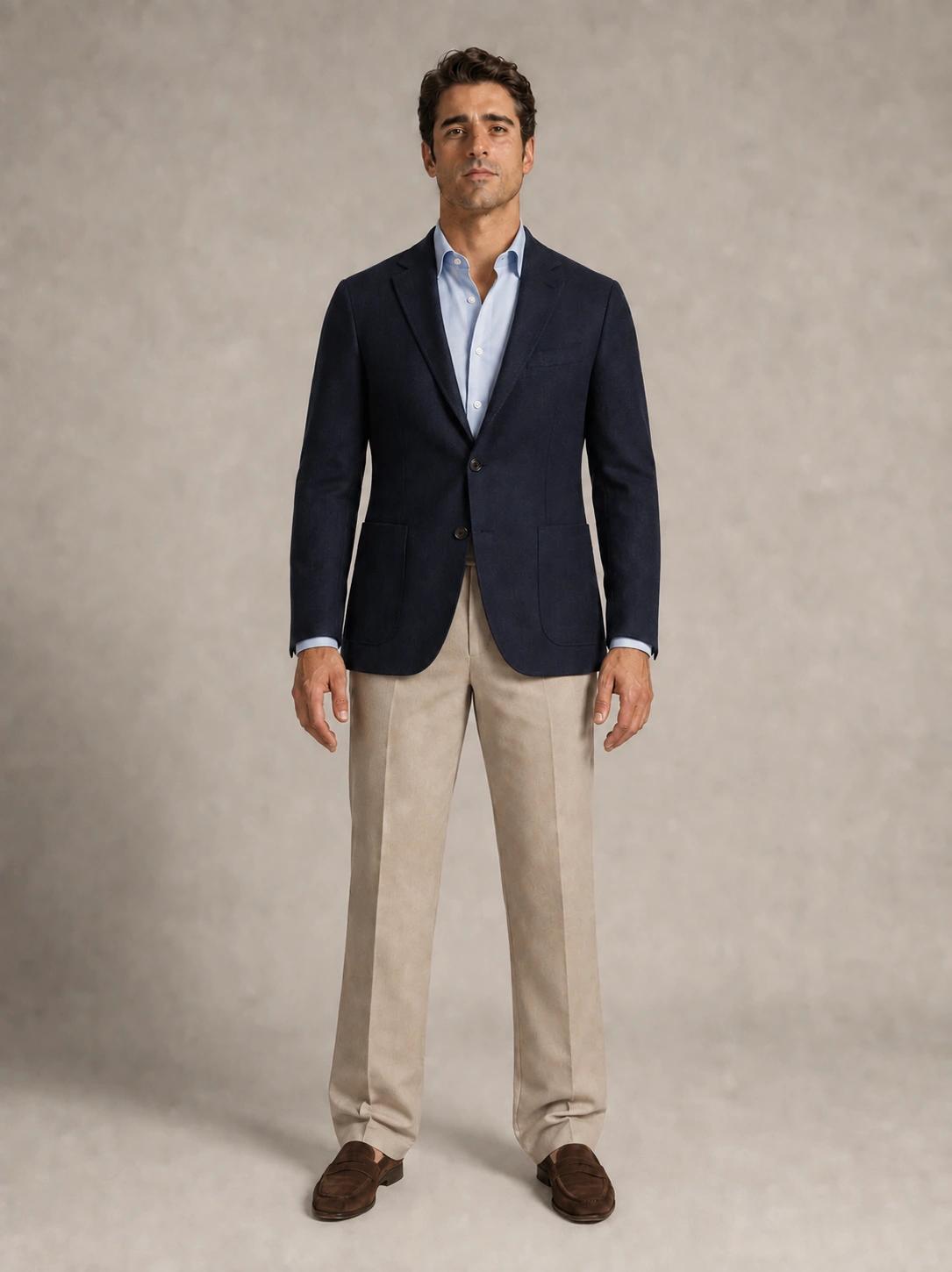
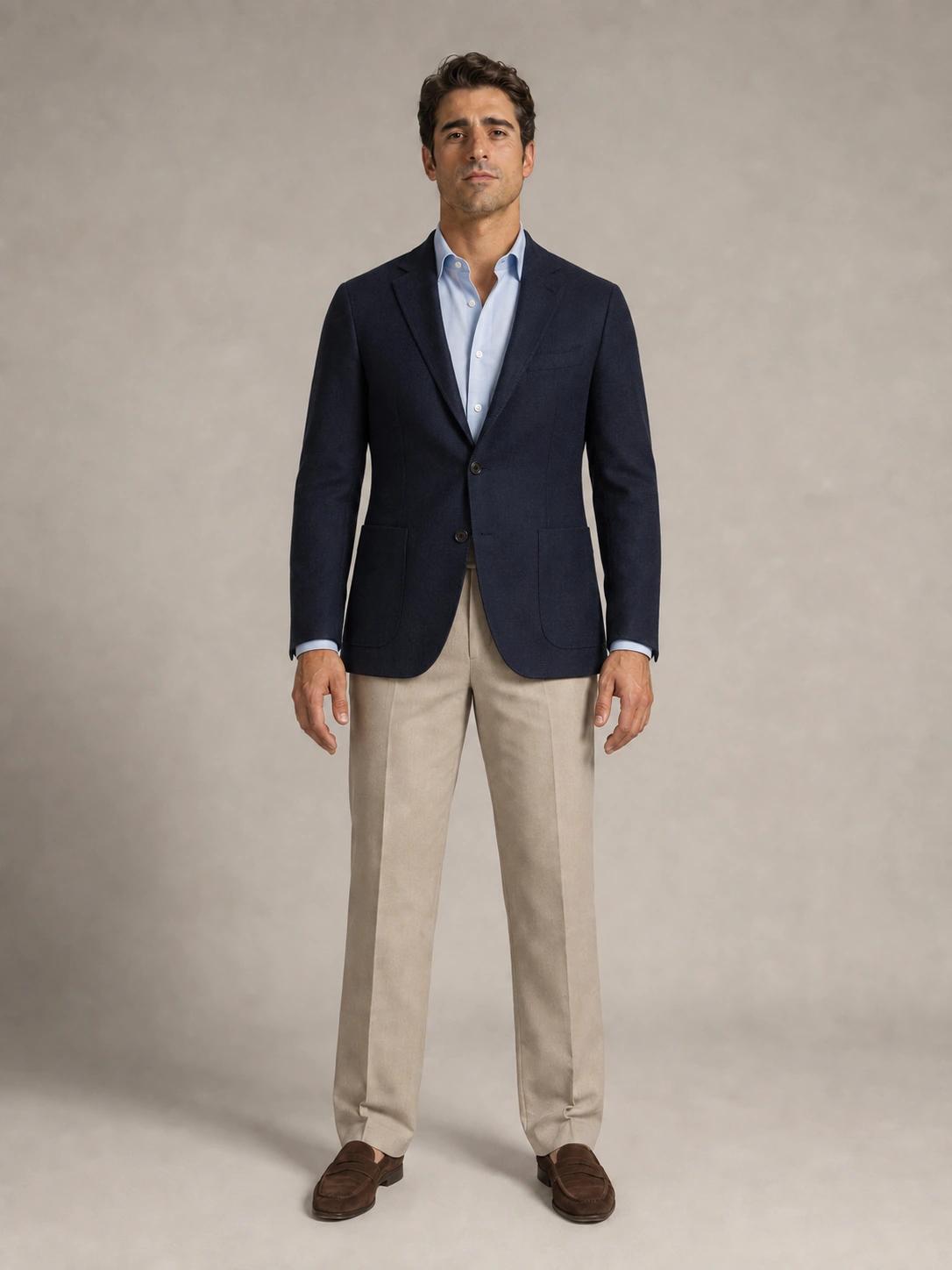
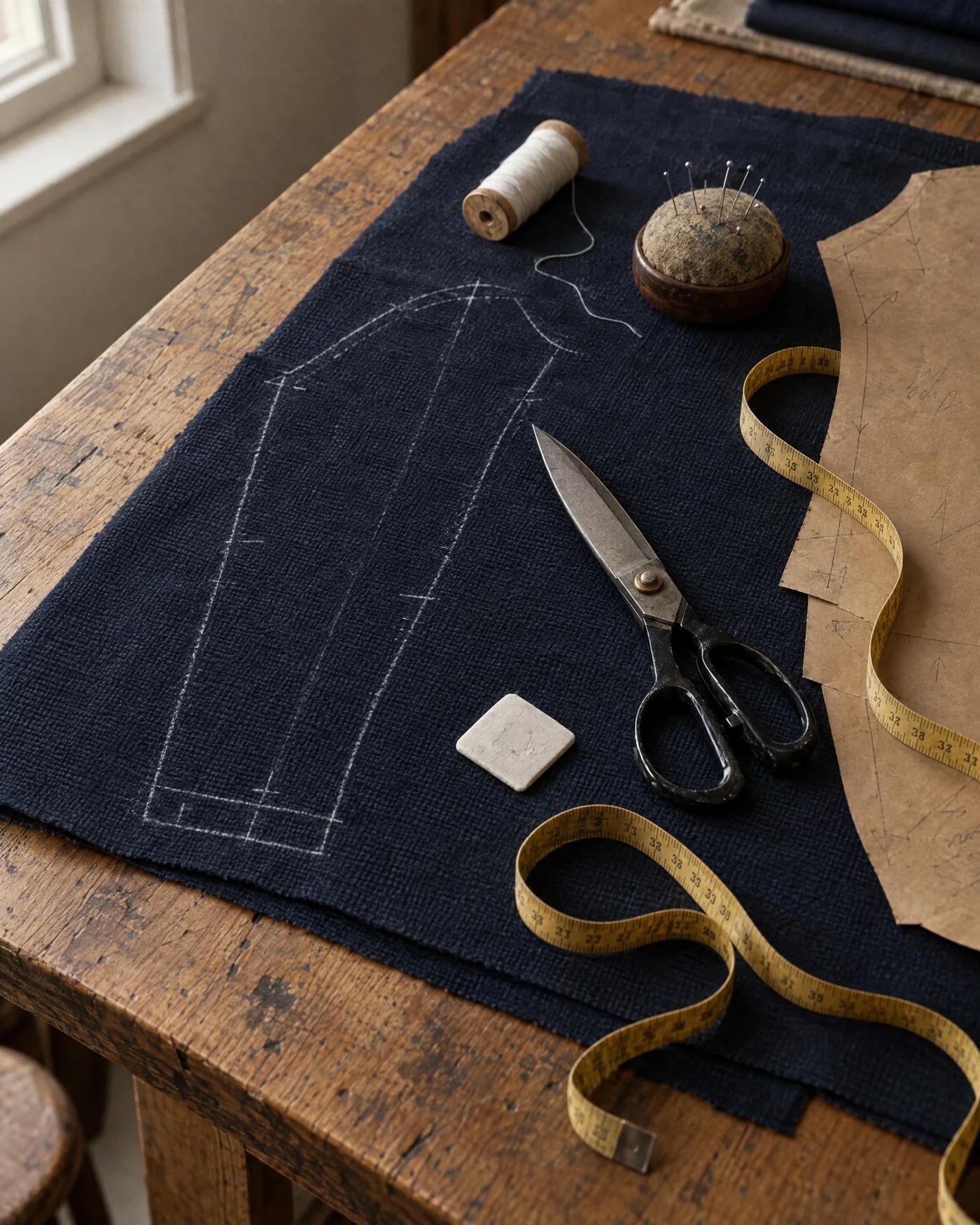
Cut by hand.
Judged by eye.
No tailor measures a break with a ruler. They look, pin, and look again, and the garment is right when the eye stops catching on it. That eye is not a gift. It is trained, a fitting at a time.
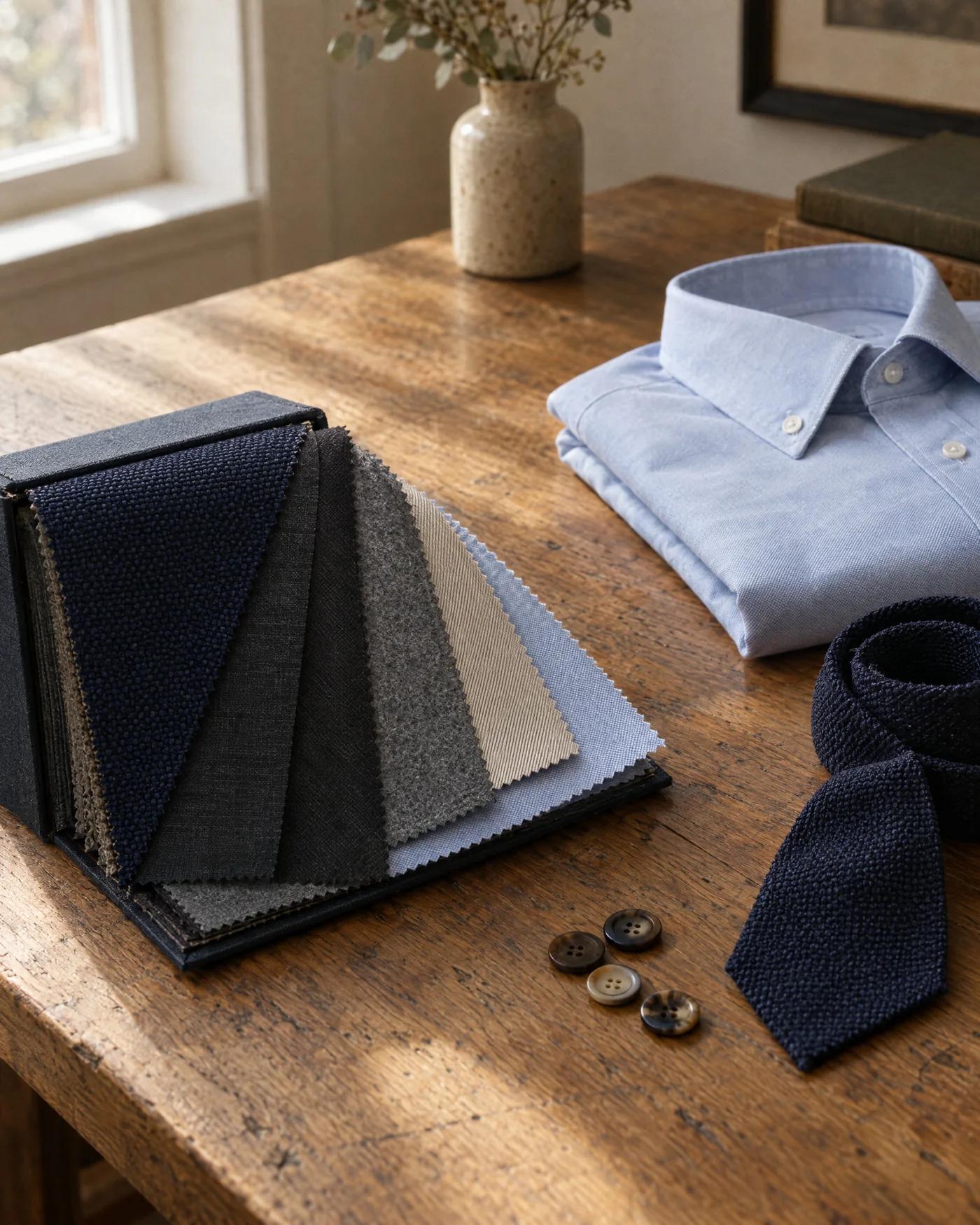
FIT has no feed and sells nothing. One man, 12 looks and 44 alterations, each one photographed before and after.
One man.
Many ways to dress.
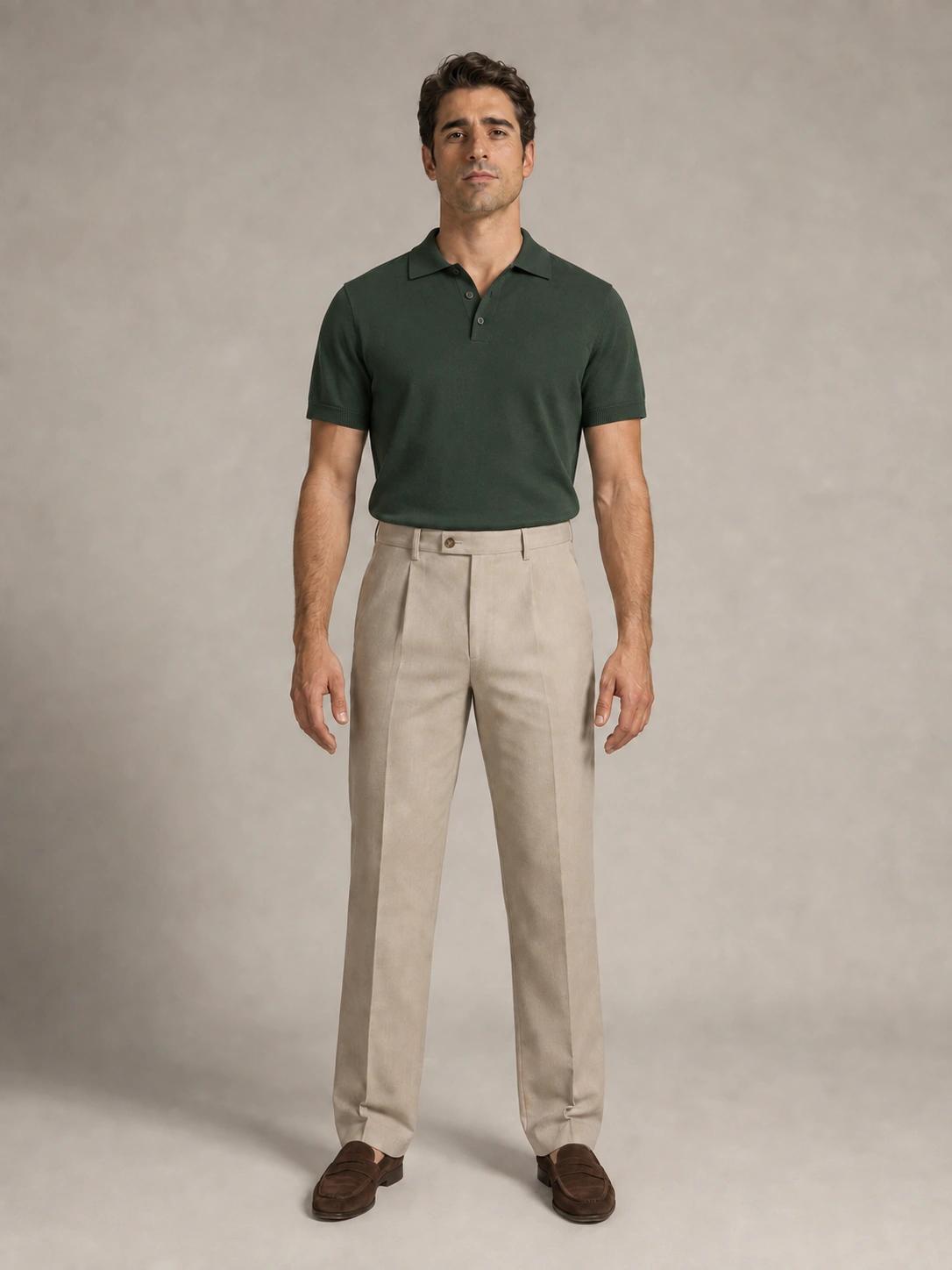
The wardrobe. Same man, same pose, 12 outfits. When only the clothes change, you can see what each piece does.
All 12 looks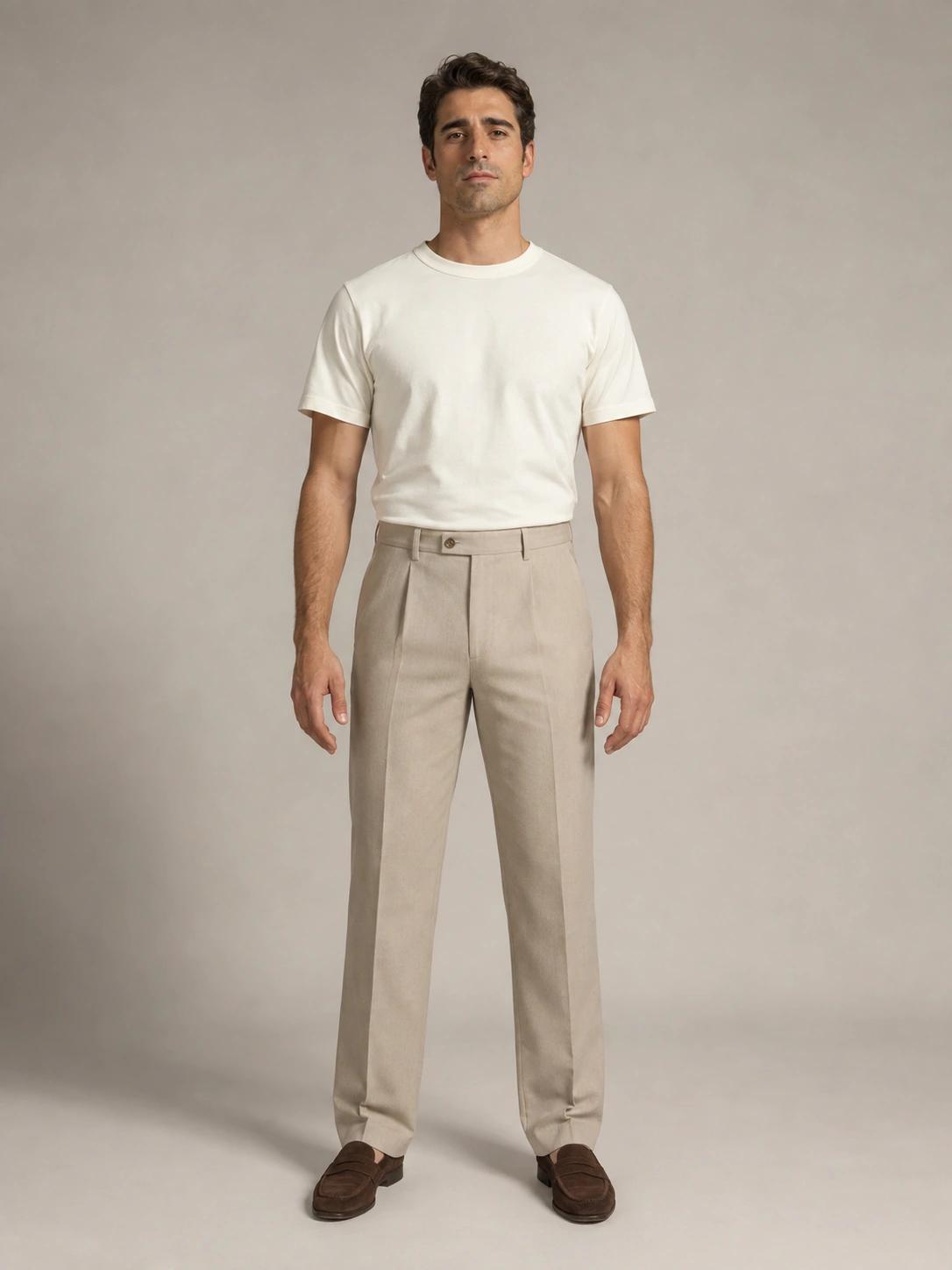
Five principles.
Ten briefs.
Dress the model. Each challenge opens with a principle, then asks you to dress him for a brief. The lesson says why the picture works. 10 challenges, 5 chapters.
Dress the model- 01Weight at the ground
- 02Layering
- 03Texture and season
- 04Contrast
- 05Formality